REVIEW · JUJUY
From Jujuy: Day Trip to Quebrada de Humahuaca
Book on GetYourGuide →Operated by NORDIC TRAVEL EVT · Bookable on GetYourGuide
Most people come for the views, then leave with context. This full-day route hits big-name Andean scenery plus real human heritage. You’ll see Seven Colors Hill in Purmamarca, then continue into the UNESCO-listed Quebrada de Humahuaca. I especially like the smart stop order (you build from town color to canyon scale) and the fact that it’s guided in Spanish and English. The main drawback to consider is the pace: it’s a long day, and time at each stop can feel tight—so if you want to linger, plan on moving fast.
You’ll start with a pickup in Jujuy and ride through the high desert of Salta Province in a bus or minivan. Expect mountain towns, photo-worthy rock formations, and a few culture stops that go beyond just scenic overlooks. If English comfort matters a lot, I’d also pay attention to the guide setup for your specific day so you aren’t stuck filtering fast Spanish at the places you most want to understand.
In This Review
- Key highlights worth your time
- Price and time: what you’re really paying for
- Meeting at YPF: how to avoid the one-day stress
- Purmamarca and Seven Colors Hill: the first wow hits fast
- Maimará and the Monolith Painter’s Palette: color geology up close
- Tilcara: Andean town energy plus a possible extra ticket
- Uquía: the church stop with gun-toting angels
- Tropic of Cancer: a quick geography marker you can actually see
- Humahuaca and Quebrada de Humahuaca: where the whole story culminates
- How to make this tour feel less rushed
- Who this day trip suits best
- Should you book the Jujuy to Quebrada de Humahuaca day trip?
- FAQ
- Where is the meeting point for the tour?
- How long is the day trip?
- How much does the tour cost?
- What languages is the guide?
- Is pickup and drop-off included?
- Do I need to bring a passport or ID?
- Is lunch or drinks included?
- Is admission to El Pucará de Tilcara included?
- What are the main places you visit?
- What should I provide when booking?
Key highlights worth your time
- Seven Colors Hill at Purmamarca: a first stop that makes the whole region click.
- Maimará’s Monolith Painter’s Palette: a natural color story in red, yellow, orange, and pastels.
- Tilcara and the Quebrada approach: Andean culture with mountains doing the talking.
- Uquía church with gun-toting angels: a quirky, memorable cultural detour.
- Tropic of Cancer photo moment: one of those weird geography facts you can actually see.
- UNESCO Quebrada de Humahuaca: a long canyon corridor stretching toward Bolivia.
Price and time: what you’re really paying for
This day trip costs $37 per person and runs about 510 minutes (just over 8.5 hours). That price is usually “worth it” when a route compresses multiple must-sees into one guided day—especially here, where distances and elevations make DIY harder than it looks on a map.
You’re also paying for the practical stuff: round-trip pickup and drop-off, transport in a bus or minivan (group size decides), and a bilingual guide in Spanish and English. What’s not included is equally important: food and drinks, plus admission to El Pucará de Tilcara Archaeological Site if you want to enter.
My quick take: if you only have one day and you want a big-picture tour of the Quebrada corridor, this is good value. If you’re the type who wants to sit on a bench and watch the light change for an hour, you may feel rushed.
You can also read our reviews of more tours and experiences in Jujuy.
Meeting at YPF: how to avoid the one-day stress
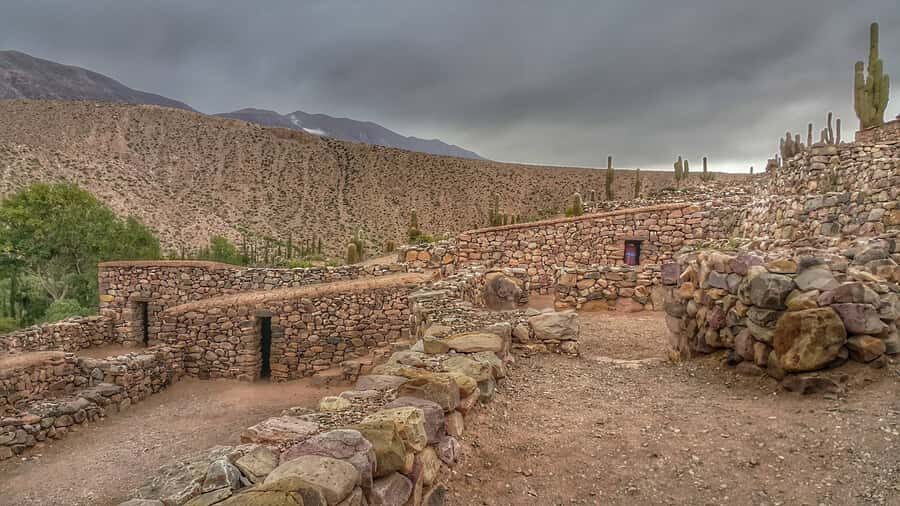
Your meeting point is the YPF gas station at Vilcapugio 1986, Y4607EKF San Salvador de Jujuy. Go to the coffee shop and wait there to meet your group. Aim to arrive 15 minutes early—this tour expects you to be ready on time.
One small but real tip: bring your passport or ID card and keep it handy from the start. You don’t want to be digging through your bag when the group is boarding. Also, provide a contact email and/or phone number when you book so the local partner can reach you if needed.
Purmamarca and Seven Colors Hill: the first wow hits fast
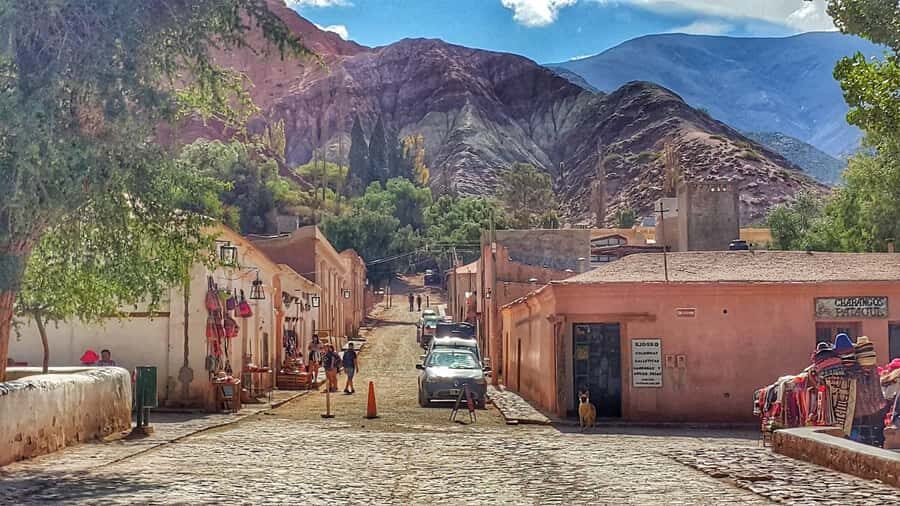
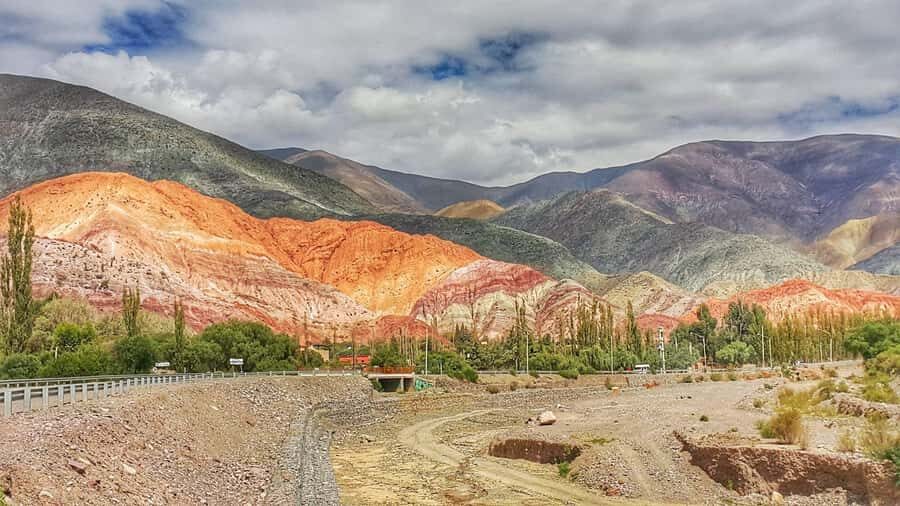
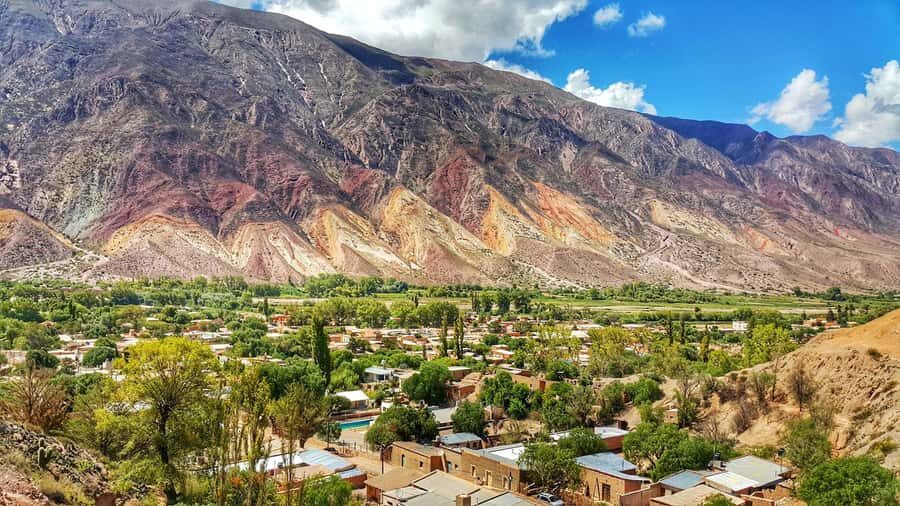
Purmamarca is the kind of town that feels instantly photogenic. It sits at the base of Seven Colors Hill, a multi-hued mountain that looks almost painted, with bands of color that change as you shift position.
This stop matters because it gives you a visual anchor for the entire day. Once you’ve seen how those colors show up in one place, the next stops make more sense. You’ll be better at spotting the same color logic—red, yellow, orange, and softer pastel tones—when you move deeper into the gorge region.
How long it feels like you have here can be the difference between a quick snapshot and a better experience. If you want photos without stress, keep your camera ready and decide where you’ll stand before you get there.
Maimará and the Monolith Painter’s Palette: color geology up close
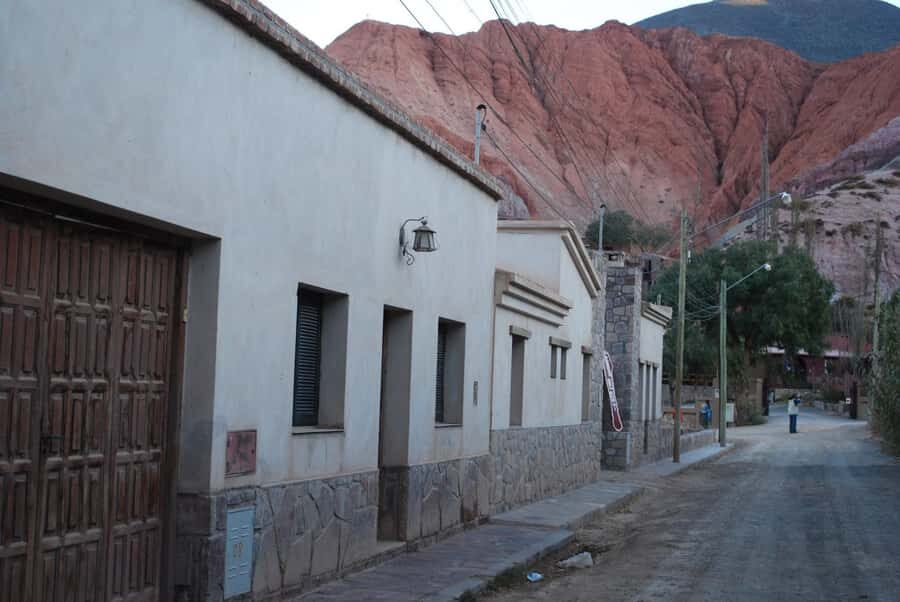
Next you’ll head to Maimará, a small village under the shadow of the Monolith Painter’s Palette. This multicolored geological formation is described in red, yellow, orange, and pastel hues, and it’s the kind of natural feature that makes geology feel human.
What I like about this stop is the way it blends simple scenery with a story you can actually use. You start noticing how the region’s rock layers and erosion shape the visual rhythm of the canyon corridor. It’s not just pretty; it’s informative.
A practical note: mornings and late afternoons can change how the colors pop. If the timing lands you in flat light, you’ll still get the shapes, but the “painted” effect can be less dramatic. Either way, it’s a strong detour.
Tilcara: Andean town energy plus a possible extra ticket
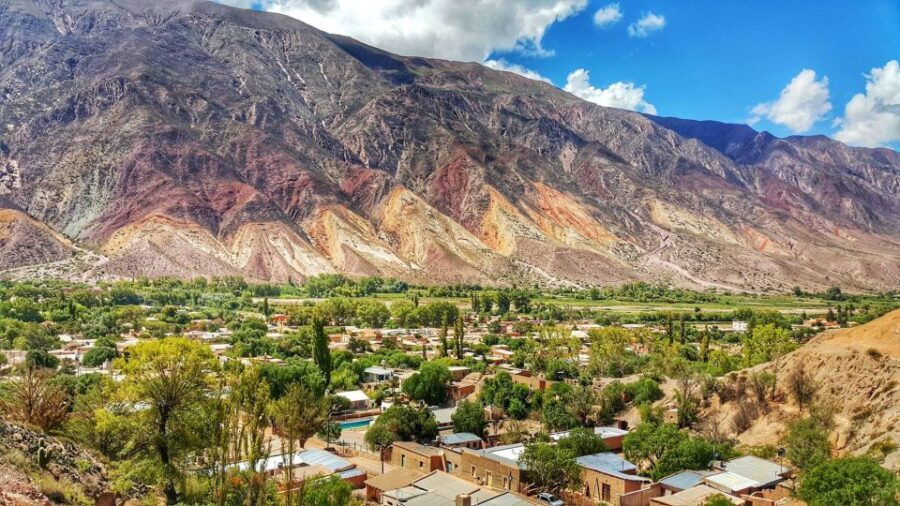
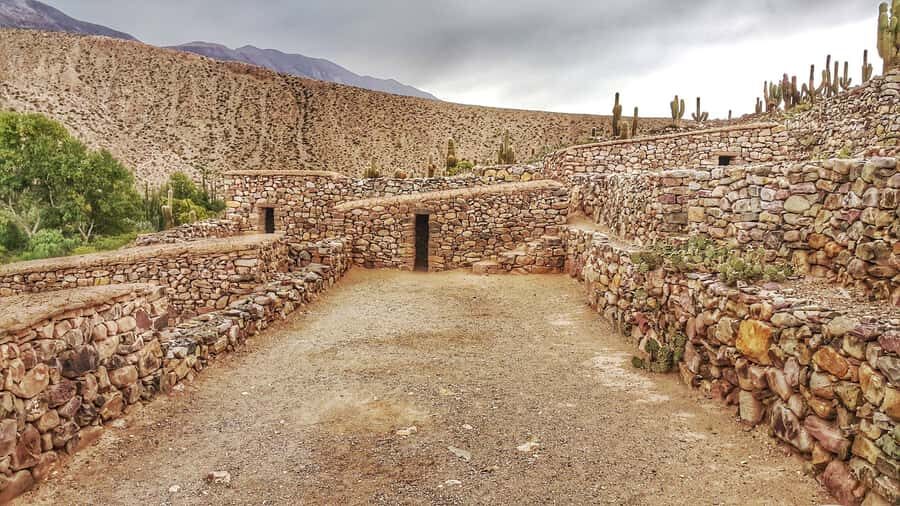
Tilcara is where the tour adds cultural texture. Expect Andean charm and a more lived-in feeling than at pure viewpoint stops. This is also where the optional El Pucará de Tilcara Archaeological Site can come into play.
You don’t have the admission included, so if you want to go inside or explore the site itself, plan for extra payment. The value of the extra ticket is simple: it helps connect the visual drama of the mountains to the people who built, lived, and moved through this terrain.
If you’re short on time, I’d still prioritize one focused activity—either the site visit or a careful walk around the town—rather than trying to do everything.
Uquía: the church stop with gun-toting angels
Then you’ll reach Uquía, known for its historic church with paintings of gun-toting angels. It’s a wildly specific detail, and that’s why it sticks in your memory.
This is the kind of stop that can feel brief on a schedule, but it’s worth treating as your “culture palate cleanser.” Scenic stops can blur together. A church with unusual art breaks that rhythm and gives you a different angle on how local faith and symbols took shape.
If you’re traveling with family or friends, this is also the moment people usually remember later: the angels with attitude, the small-town calm, and the shift from canyon visuals to human creativity.
Tropic of Cancer: a quick geography marker you can actually see
After Uquía, the itinerary includes the Tropic of Cancer, described as the most southerly latitude where the sun can appear directly overhead at noon.
That’s a fun fact, but it’s more than trivia. It’s a reminder that you’re not just driving through “mountain country.” You’re crossing lines of latitude that affect how the sun behaves, how shadows fall, and how the light hits the terrain.
This stop is likely short, so don’t overthink it. Bring your sunglasses, keep your water nearby, and use the moment for a couple of photos and a quick mental anchor before you move on.
Humahuaca and Quebrada de Humahuaca: where the whole story culminates
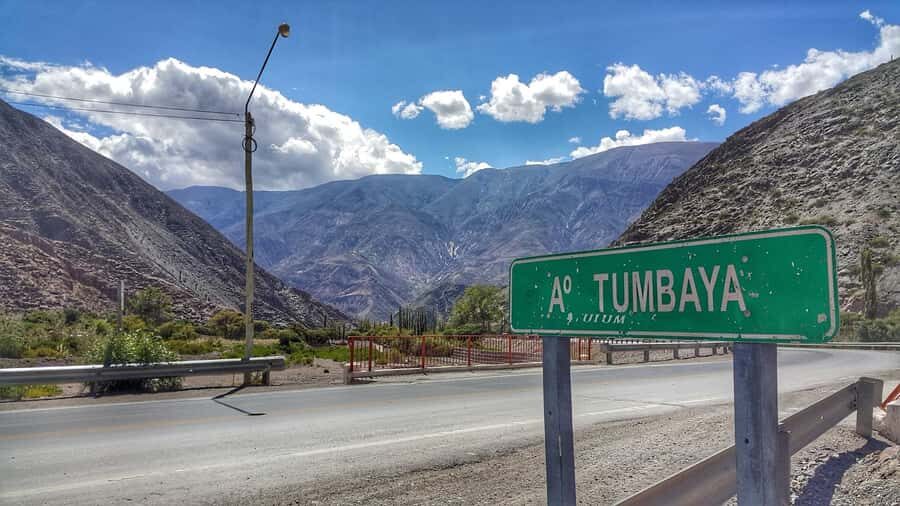
Your day culminates in Humahuaca and the Quebrada de Humahuaca, a UNESCO World Heritage Site. The Quebrada is a mountainous gorge—or quebrada—that runs nearly 100 miles (155 kilometers) along the Grande River and up into Bolivia.
This is where the tour’s timing starts to feel like it makes sense. The earlier stops show you color and texture in small doses. Then the canyon scale hits you. You get the feeling of a corridor carved by water and time, one that people have traveled, traded, and adapted to for generations.
What makes this part valuable is that you’re not only looking at scenery. You’re experiencing a route that connects natural form and cultural meaning. The canyon’s length and continuity help explain why this region is treated as something more than a single viewpoint.
If you’re hoping for the perfect photo, keep your expectations realistic. It’s not a single postcard frame—it’s a long gorge with many angles. Work with the day you’re given: pick one or two viewpoint angles, take the shots, and then use your remaining time to just watch how the canyon layers shift.
How to make this tour feel less rushed
This trip is packed, and that can be a downside for people who like to slow down. A useful way to handle it is to set your priorities before you board.
Here’s the approach I’d use:
- Decide your top 2 stops (for most people it’s Purmamarca/Seven Colors Hill and Quebrada de Humahuaca).
- Don’t plan big detours unless the guide suggests them.
- Bring snacks and water because food isn’t included.
- If the guide is moving quickly, still ask your simplest question early—like what to look for at the next viewpoint—so you get the context before you walk around.
Language can also shape the experience. The tour is listed as bilingual Spanish and English, which is great. But if you’re relying on English for every detail, it’s worth staying alert and asking for clarification when you need it. A fast guide can mean you miss the “why” behind a feature.
And yes, timing can go wrong on any day trip. If pickup timing is critical for you, be early at the meeting point and keep your phone/contact ready in case the local partner needs to reach you.
Who this day trip suits best
This is a strong fit if:
- you only have one day around Jujuy and want a full corridor overview,
- you like guided context, not just photo stops,
- you want a mix of geology, small towns, and cultural moments.
It’s a weaker fit if:
- you hate tight schedules and want long, slow visits,
- you want deep archaeological exploration beyond what fits into a day,
- you’re the type who needs extended time at one single place to enjoy it.
Should you book the Jujuy to Quebrada de Humahuaca day trip?
If you want a high-value day that connects multiple highlights—Purmamarca, Tilcara, Uquía, Tropic of Cancer, and then the UNESCO Quebrada de Humahuaca—this is a solid choice for the price. It’s also practical: pickup and transport are handled, and you get a guide to interpret what you’re seeing.
I’d book it if you’re realistic about pacing and come ready for a guided “greatest hits” day. I’d think twice if you’re hoping for long lingering time, or if you need very careful English pacing from start to finish. In that case, you can still book—just go in with a plan to ask your key questions early and prioritize your must-sees.
FAQ
Where is the meeting point for the tour?
The meeting point is at the YPF gas station located at Vilcapugio 1986, Y4607EKF San Salvador de Jujuy. You should go to the coffee shop to wait for the bus and meet your group.
How long is the day trip?
The duration is 510 minutes (about 8.5 hours). Starting times depend on availability.
How much does the tour cost?
The price is listed as $37 per person.
What languages is the guide?
The tour includes a live guide who speaks Spanish and English.
Is pickup and drop-off included?
Yes. Meeting point pickup and drop-off are included.
Do I need to bring a passport or ID?
Yes. You should bring your passport or ID card.
Is lunch or drinks included?
No. Food and drinks are not included.
Is admission to El Pucará de Tilcara included?
No. Admission ticket to El Pucará de Tilcara Archaeological Site is not included.
What are the main places you visit?
The tour covers Purmamarca (including Seven Colors Hill), Maimará (Monolith Painter’s Palette), Tilcara, Uquía, the Tropic of Cancer, and Humahuaca and the Quebrada de Humahuaca.
What should I provide when booking?
Please provide a contact email and/or phone number so the local partner can reach you when your tour is booked.