REVIEW · CORDOBA
Cordoba Cumbrecita Tour with Spanish Speaking Guide
Book on Viator →Operated by Gray Line Argentina · Bookable on Viator
Cumbrecita is best with no map stress. This Córdoba to Cumbrecita day tour strings together the best-known stops in the Sierras—plus the big lakes and town highlights—so you can focus on views, walking, and stories in the right order. I like that it’s built for your day: hotel pickup keeps you from wasting time, and the small group (up to 10) makes it easier to hear the guide.
Two things I especially like: the mix of big cultural stops (Jesuit Estancia Alta Gracia, the Museo del Virrey Liniers, and the Che Guevara home) with real scenery time, and the way you get to see how the region changes as you go from Córdoba City to alpine-style towns. The drive also matters here—passing places like Los Molinos and Santa Rosa de Calamuchita gives you a taste of everyday life, not just a couple of photo stops.
One drawback to consider: this is a long day—about 10 hours—so if you hate lots of sitting in a vehicle or you want a deep, slow-paced nature break, you may find it moves quickly. And Cumbrecita has a strong tourist-shopping vibe, so if you’re hunting for total quiet, it might feel a bit commercial.
In This Review
- Key points at a glance
- How this Córdoba to Cumbrecita day tour actually feels
- Meeting up in Córdoba and getting the route done (9:00 am start)
- Alta Gracia: Jesuit Estancia, Museo del Virrey Liniers, and the Che Guevara home
- Driving the Sierras: Anisacate, Los Molinos area, and Santa Rosa de Calamuchita
- Villa del Dique and Embalse Río Tercero: huge lake views near the nuclear plant
- Villa General Belgrano: the Central-European look, food stops, and strolling
- Reaching Cumbrecita: a pedestrian alpine town in the Sierras
- Price and value: what $100 buys you on a full 10-hour day
- Best for: who should book this tour
- Who might not love it
- Should you book this tour?
- FAQ
- How long is the Córdoba–Cumbrecita tour?
- Does the tour include hotel pickup and drop-off in Córdoba City?
- Is the guide Spanish-speaking?
- Is food included in the price?
- How many people are on the tour?
- Are there any stops with free admission?
- What’s the cancellation policy?
Key points at a glance
- Small group size (up to 10) keeps the day from feeling rushed and helps questions land well.
- Downtown Córdoba hotel pickup and drop-off saves time and hassle.
- Alta Gracia + Che Guevara home gives you major cultural context in one stop.
- Rio Tercero reservoir area shows off the biggest artificial lake in the province.
- Villa General Belgrano’s German-influenced style is a fun change of pace for food, drinks, and strolling.
- Cumbrecita’s pedestrian-only feel means you can walk the town without cars buzzing around.
How this Córdoba to Cumbrecita day tour actually feels
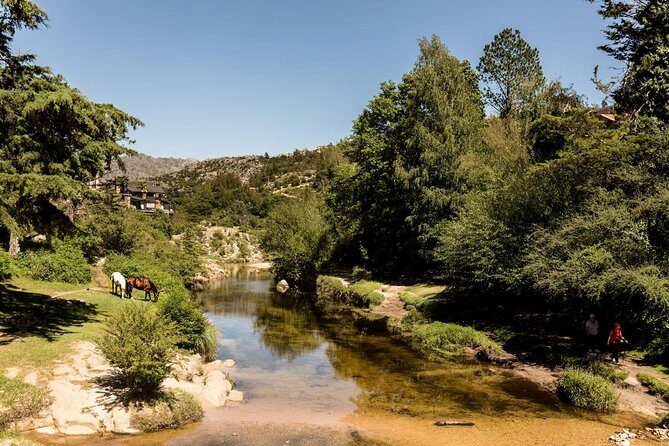
Think of this tour as a “best-of-the-Sierras” circuit with a guide doing the heavy lifting. You start in Córdoba City, then spend the day moving through historic sites, lake towns, and European-style mountain villages.
What makes it work is the pacing: you’re not just getting stamped at a landmark. You get enough time in each area to look around, take photos, and understand why these towns became so popular.
You’re also not stuck trying to connect buses or interpret signage. With a Spanish-speaking guide, you’ll get the story threads that make the stops feel connected instead of random.
You can also read our reviews of more guided tours in Cordoba

Meeting up in Córdoba and getting the route done (9:00 am start)
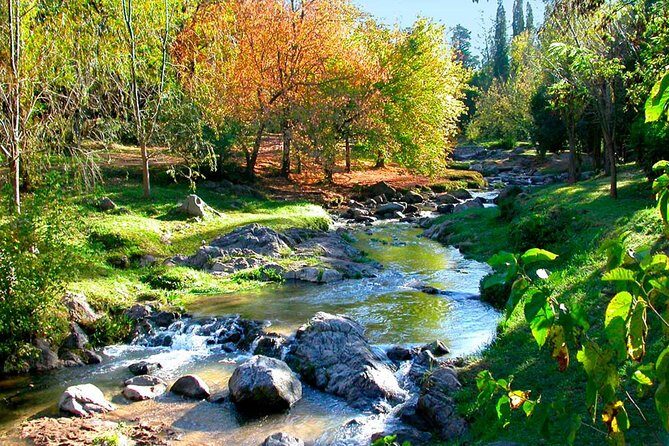
The day begins at 9:00 am, and the tour includes pickup and drop-off from downtown hotels in Córdoba City. That matters because the route covers a lot of ground; you’ll want your first hour to count.
It’s also a small-group tour with a maximum of 10 travelers. In practical terms, that means fewer people competing for the guide’s attention and a smoother schedule if there’s traffic or a late start from one hotel.
You’ll get a mobile ticket, so you’re not wrestling with paper confirmations. It’s a small detail, but it makes arrival easier—especially when you’re juggling morning coffee and trying to stay on time.
Alta Gracia: Jesuit Estancia, Museo del Virrey Liniers, and the Che Guevara home
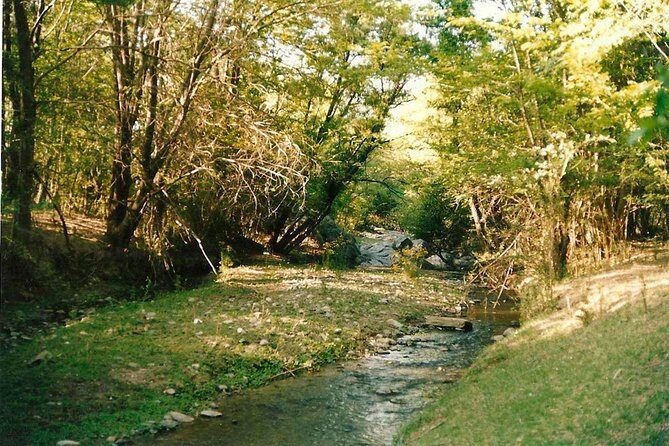
Alta Gracia is where the day gets more serious—in the best way. The first major stop includes the Jesuit Estancia Alta Gracia (Museo del Virrey Liniers), plus a visit to the home of Che Guevara.
Why this combination is smart: the Jesuit site gives you a sense of how the region was shaped through religion and land management, while the Che stop grounds you in the 20th century. Together, they make Alta Gracia feel like more than a picturesque town you pass through.
Spend your time focusing on what the buildings and spaces are trying to communicate. In places like this, the details you notice (rooms, layout, and what’s preserved) do more than any single photo.
If you like learning while you travel, this is the kind of stop where a guide helps a lot. A Spanish-speaking explanation keeps you from missing the big “why,” especially at museums.
Driving the Sierras: Anisacate, Los Molinos area, and Santa Rosa de Calamuchita
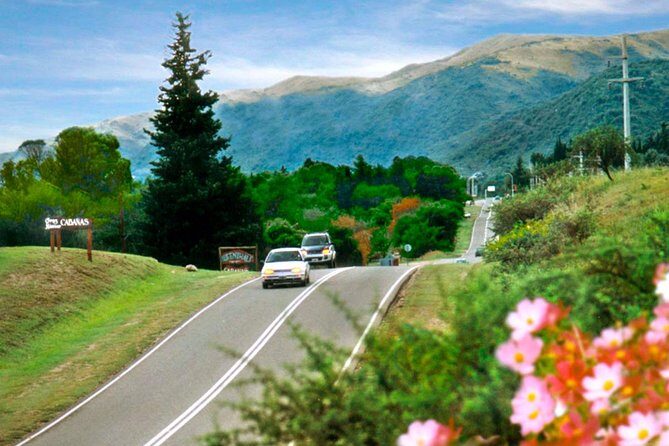
After Alta Gracia, the route keeps you in motion through towns along the way. You’ll pass areas including Anisacate, Stocks, and Villa Ciudad de América, and you’ll also get time alongside the Los Molinos area near the lake and dam.
Then comes Santa Rosa de Calamuchita, where you’ll discover the city center. Even if you only have a short window, these center walks are useful. They let you see the town rhythm—what people do during the day, how streets are arranged, and what locals prioritize.
This is also where you start noticing the “Córdoba to Cumbrecita” shift. The closer you get to alpine-style villages, the more architecture and town design change, including the way streets are built for walking instead of car traffic.
Tip for this part: wear comfortable shoes. You’ll be stepping out often enough that you’ll be grateful you don’t feel underdressed for a quick stroll.
Villa del Dique and Embalse Río Tercero: huge lake views near the nuclear plant
One of the stand-out scenic moments is Villa del Dique, where you cross towns like Villa Rumipal and Villa del Dique on the way to the Embalse Río Tercero. The tour notes this area as the largest artificial lake in the province, and you’ll see it surrounded by the nuclear power plant.
You might not be touring the plant itself, but the contrast is still worth seeing. It’s a reminder that this isn’t just postcard nature—this region is also about energy, infrastructure, and how humans reshape water and land at scale.
The tour lists about 1 hour here, with admission free noted for this stop. That’s enough time to look around and take in the scale, especially if you’re aiming for photos and a break from the bus.
If you’re sensitive to time pressure: this stop is a good one to treat as your “reset.” You’ll likely feel the long day later, so using this hour to stretch and breathe helps.
Villa General Belgrano: the Central-European look, food stops, and strolling
Next you reach Villa General Belgrano, a town known for its Central-European physiognomy—the “German mountain town” vibe is the big theme here. Reviews echo this feel with talk of European architecture and the pleasure of walking around town.
This part of the day is also where you’ll likely enjoy food and drink breaks the most, because the town is built for that slow wander: cafés, restaurants, and lots of places to pause. If you’re a fan of craft beer culture, this is one of the reasons the stop has such strong word-of-mouth energy.
The tour notes about 4 hours at this stage, and marks admission as free. Four hours is a meaningful chunk of time in a day trip, so you can do more than a quick walk-by.
Practical advice: if you want souvenirs, set aside part of this time. It’s easier to browse when you’re not rushing between stops, and you’re less likely to grab something you don’t really want.
Also, one real-world caution from experience in this kind of place: some shops can be picky about payment methods. If you can, keep some cash handy for small purchases.
Reaching Cumbrecita: a pedestrian alpine town in the Sierras
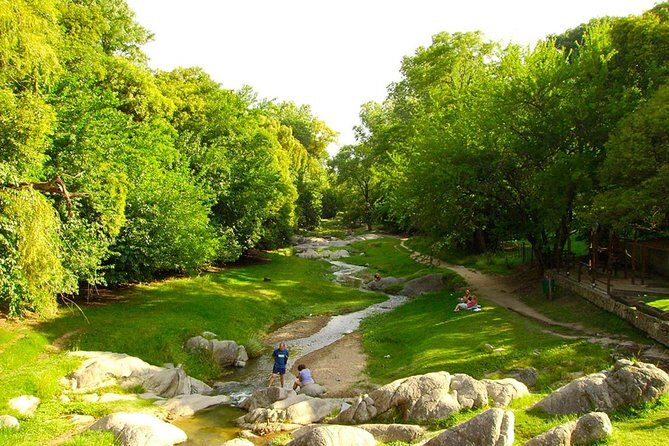
Cumbrecita is the main emotional payoff of the day: you arrive at this alpine-style pedestrian town, one of the rare places where you’re meant to explore on foot. That pedestrian setup is the reason it feels different from surrounding towns.
This is where the “storybook” feeling comes from—woody, cozy architecture and streets designed for walking. One theme you’ll hear again and again is the sense of being in a European mountain village, but with Argentine flavor and local signage.
Expect the town to be built for wandering. Even if you’re not the type who hunts for shops, you’ll still want to look around for cafés, treats, and little crafts. One popular souvenir category is alfajores and handmade items.
Now the honest note: Cumbrecita can feel very tour-oriented. If you prefer nature that feels untouched and quiet, the number of shops can feel like it’s taking over the vibe. For me, the best way to enjoy it is to plan your walk like a stroll through a set of neighborhoods—pick a couple areas, take your photos, then stop for a snack and slow down.
If you’re traveling with a family or just want an easy day with lots to look at, this part is the easiest win.
Price and value: what $100 buys you on a full 10-hour day
At $100 per person, this is priced like a “time-saving” tour rather than a budget-only bus ride. You’re paying for three big advantages: guided interpretation, hotel pickup/drop-off, and a route that packs multiple high-interest stops into one day.
What’s included:
- Hotel pickup and drop-off from downtown Córdoba hotels
- Spanish-speaking guide
What’s not included:
- Food and beverages (and other personal costs)
One key value piece: some stops are marked admission free (for example, the Río Tercero area and the Villa General Belgrano segment). That means your money mostly goes into the guide and transport, not entrance fees at every stop.
How to plan your budget:
- Bring money for lunch and snacks.
- Plan for drinks and a few souvenirs if you want them.
- If you prefer paying by card, still consider carrying some cash as backup, since payment options can vary by shop.
If you’re comparing costs to doing this on your own, you’re also buying back energy. The route is long and the timing matters; the guide helps you avoid the “wrong turn” problem and spend your day on the places worth your time.
Best for: who should book this tour
This one fits you if you want a guided day trip that mixes culture and scenery without complicated logistics. It’s especially good if:
- You want the Che Guevara home and Jesuit Estancia Alta Gracia stops with explanations in Spanish.
- You like small towns and walking, especially in pedestrian Cumbrecita.
- You don’t want to figure out connections between lakes and mountain villages.
It’s also a solid fit for groups that want a shared plan. With up to 10 travelers, you’re not dealing with a big crowd pushing past you at every stop.
Who might not love it
You might want to think twice if you’re the type who needs long, quiet nature time. The day is packed, and even with a few hours in town at Villa General Belgrano, it’s still a one-day loop.
Also consider your tolerance for tourist areas. Cumbrecita has plenty of charm, but the shopping and visitor energy is part of the package. If that’s not your style, you’ll need to manage expectations and treat it as a walking town experience, not a secluded escape.
Should you book this tour?
I’d book it if you want a guided hit list of the Córdoba–Sierras region and you like the idea of walking through a pedestrian alpine village at the end of a long day. The combination of major cultural stops (Alta Gracia with the Jesuit site and Che home) plus the lakes and the European-style feel in towns like Villa General Belgrano is a strong match for a 10-hour day.
I wouldn’t book it if you’re chasing a slow, off-the-beaten-track nature day with minimal tourist influence. This is built for “see a lot, understand it, then wander,” not for disappearing into quiet trails.
FAQ
How long is the Córdoba–Cumbrecita tour?
The tour runs about 10 hours.
Does the tour include hotel pickup and drop-off in Córdoba City?
Yes. Pickup and drop-off are included for hotels in downtown Córdoba City.
Is the guide Spanish-speaking?
Yes. The tour includes a Spanish-speaking guide.
Is food included in the price?
No. Food, beverages, and other services are not included.
How many people are on the tour?
The maximum group size is 10 travelers.
Are there any stops with free admission?
The itinerary notes admission ticket free for the Río Tercero area (Villa del Dique stop) and for the Villa General Belgrano segment.
What’s the cancellation policy?
You can cancel for a full refund up to 24 hours before the experience’s start time. After that window, the amount paid is not refundable.