REVIEW · EL CALAFATE
13-Day Best of Patagonia Tour from El Calafate to Ushuaia: Los Glaciares, Torres del Paine and Tierra del Fuego National Parks
Book on Viator →Operated by Say Hueque Travel · Bookable on Viator
Patagonia without the logistics headache. This 13-day route stitches together Argentina and Chile highlights with a practical rhythm: guided national-park days, then time to wander on your own.
I especially like the Perito Moreno glacier day because you get both a close-up boat cruise and multiple viewing angles from park walkways. I also like that you build in real breathing room, with free days in El Calafate and El Chaltén so you can hike or just recover. The main drawback to plan for is that this is not one continuous guided trip; you’ll handle some city-to-city bus legs and pick-ups on your own, so double-check timing and tickets.
In This Review
- Key things I’d circle before booking
- Price and value: what your money really buys
- Day 1–3 in El Calafate: get oriented, then take it slow
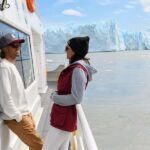
- Day 2 in Los Glaciares: Perito Moreno by boat, then walk the viewpoints
- Day 4–6 in El Chaltén: hike your own schedule around Fitz Roy country
- Day 7 in transit: crossing into Chile takes passport focus
- Day 8 in Torres del Paine: Milodon Cave, then park panoramas by vehicle
- Day 9 in Chile: Punta Arenas stopover (and a penguin add-on option)
- Day 10–12 in Ushuaia: Fuegian channels, Tierra del Fuego trekking, and the Beagle cruise
- Day 11: Tierra del Fuego National Park excursion with Lapataia canoeing
- Day 12: Beagle Channel cruise to islands and the Yamanas story
- Day 13: departing Ushuaia
- Getting around without losing your day: buses, pick-ups, and ticket surprises
- Hotels across Patagonia: good bases, variable comfort, watch the details
- Who this tour fits best (and who should look elsewhere)
- Should you book? My straight answer
- FAQ
- What’s included in the tour price?
- Are Los Glaciares, Torres del Paine, and Tierra del Fuego entrance fees included?
- Do I need a passport and travel documents?
- Will I have free time in the towns?
- What months does this tour operate?
- How do you travel between cities like Calafate and Puerto Natales?
Key things I’d circle before booking
- Two countries, three big park styles: ice + hiking towns + Chilean panoramas + Fuegian channels
- Guided highlights where it matters: Perito Moreno, Torres del Paine, Tierra del Fuego, Beagle Channel
- Free time in El Calafate and El Chaltén: perfect for flexible walks and dining
- Canoeing and cruising add variety: Lapataia River low-difficulty canoe, plus Beagle Channel islands
- Small group size (max 24): easier than the giant-bus feeling
- Entrance fees and some meals are extra: so budget for the park costs up front
Price and value: what your money really buys
At about $2,302 per person (seasonal, October to April), you’re paying for the hard parts: multi-night lodging across Patagonia’s far edge, guided excursions at the major sights, and the transfers and bus segments the itinerary names.
What you’re not paying for is everything. National park entrance fees are not included (Los Glaciares, Torres del Paine, Tierra del Fuego). Also, some meals are only partly covered: you get 12 daily breakfasts, and you’ll have at least one included lunch during the Tierra del Fuego excursion, plus snacks and mate on the Beagle Channel cruise.
So the value equation is this: if you’d otherwise spend your time coordinating buses, hotels, and entrance-timing, this package can save real stress. If you’re hoping for fully guided “everyone together all day” travel, you may feel the gaps.
You can also read our reviews of more tours and experiences in El Calafate.
Day 1–3 in El Calafate: get oriented, then take it slow
Your trip starts at El Calafate International Airport (Comandante Armando Tola), with a shared transfer to the hotel. Once you check in, you’re left with the rest of the day free—use it to get your bearings around town.
On the first free day, plan for an easy pace. El Calafate is the kind of place where the best moves are simple: grab coffee, browse local shops, and use the hotel desk for practical advice on hikes and transport options (they’ll usually know what’s working that week). One helpful detail from an on-the-ground comment: if your hotel is outside town, taxis aren’t always perfectly timed—build in buffer time if you need to catch a specific bus.
Day 3 is another full free day. This is where you can choose: a short walk, a viewpoint, or a longer day if the weather behaves. Having two low-pressure days early matters because southern Patagonia weather can change fast, and you’ll want your energy later.
Day 2 in Los Glaciares: Perito Moreno by boat, then walk the viewpoints
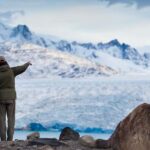
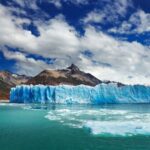
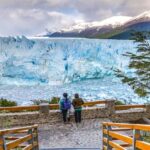
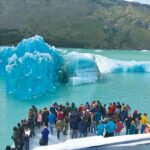
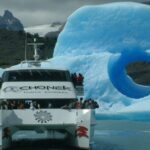
This is the big “yes, this is why I came” day. After an early breakfast, you head into Los Glaciares National Park for the Perito Moreno Glacier.
You’ll get two ways to appreciate the glacier:
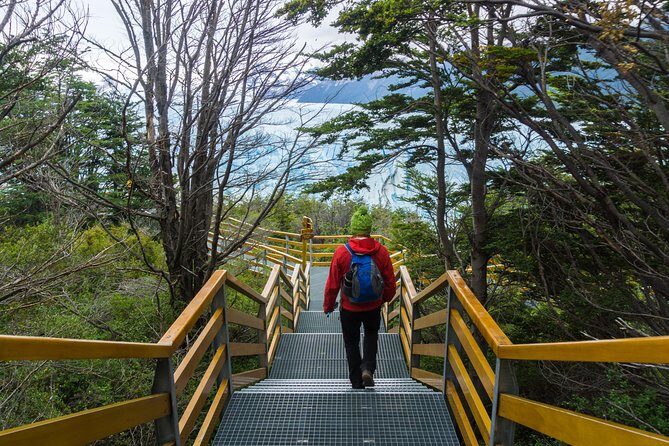
- First, a boat cruise that brings you closer for dramatic, up-close glacier views.
- Then walkway viewing platforms that let you see the glacier from multiple angles across the park.
The Perito Moreno viewing area is built for repeat watching. You’ll notice how the ice changes depending on viewpoint and weather, and you’ll likely hear the glacier’s activity as it shifts and breaks. One guest described being able to hear the glacier breaking over the day—sort of a constant soundtrack.
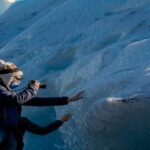
Optional upgrades exist if you want to go from watching to stepping onto the ice (Mini-Trekking or Big Ice). If you love hands-on adventure and you’re comfortable with glacier conditions, it’s worth looking at—just remember you’ll need to factor the upgrade cost and still pay park entrance fees unless they’re handled differently in your chosen add-on.
Day 4–6 in El Chaltén: hike your own schedule around Fitz Roy country
After El Calafate, you travel to El Chaltén by shared service (about a 3-hour drive). The good news: when you arrive, you don’t get shoved into a full-group hike immediately. You have time to explore the town and choose a trail that matches your energy.
El Chaltén is designed for self-guided hiking. You can get trail guidance from your hotel or the Tourist Information Center by the bus station. Typical options include full-day hikes toward Cerro Torre or Fitz Roy, plus shorter trails closer to town. If you do the full-day hikes, plan to bring lunch because you won’t want to waste time hunting for food once you’re on the trail.
If you’d rather trade boots for water, there’s also an optional boat tour on Lago del Desierto. It’s a nice alternative if wind kicks up and you want scenery with less uphill stress.
Day 6 is your last morning in Chaltén, then you head back to El Calafate in the afternoon. This “two-part” structure—time in Chaltén, then a gentle exit—helps you avoid feeling like you’re racing the itinerary.
Day 7 in transit: crossing into Chile takes passport focus
Day 7 is where the trip becomes multi-country, and it’s also where you need to be organized. After breakfast you take a public bus from Calafate’s bus station to Puerto Natales (transport to the station is not provided).
A key tip: keep your passport handy. You’ll use it when crossing the border into Chile. One detail I’m glad the itinerary stresses: public bus connections mean you should arrive early and stay aware of schedules. The whole point of this package is logistics relief, but border delays still happen—so plan to be patient.
Once you reach Puerto Natales, you transfer to your hotel on your own (no transport included from bus station to hotel). It’s usually manageable by taxi if you need it—prices are described as relatively short trips (taxis roughly around $7 USD).
Day 8 in Torres del Paine: Milodon Cave, then park panoramas by vehicle
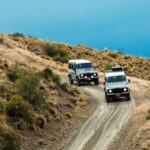
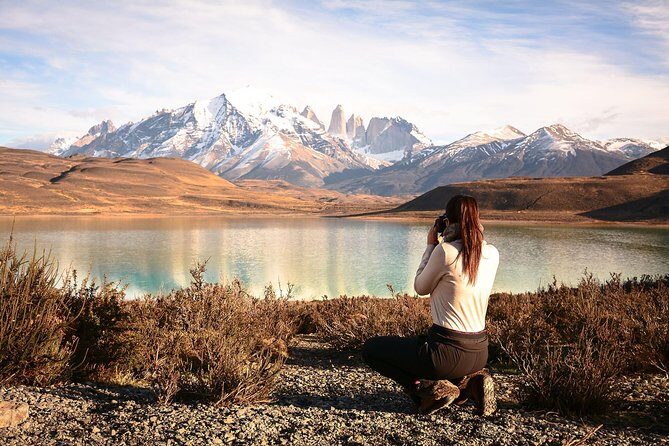
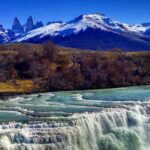
You’ll have a full-day guided excursion in Torres del Paine National Park, one of Patagonia’s most famous “scenery engines.” Before reaching the park, you stop at Milodon Cave, a natural monument with caverns worth seeing even if you’re not a speleology person.
Inside Torres del Paine, this version of the experience is about classic views from areas accessible by road. You’ll see big-name scenic spots such as:
- Grey Lake
- Pehoe Lake
- Salto Grande waterfall
- Nordenskjöld Lake
- Amarga Lagoon
Your guide is also there for the living details. You’ll get wildlife pointers, like wild guanacos and the caramel-colored look of the llama family animals roaming nearby plains.
One consideration: the itinerary is more “drive-and-view” than “long hike.” There is an option to switch toward a full-day hiking approach if you want more time on trails, so if walking is your priority, consider requesting that in advance.
Day 9 in Chile: Punta Arenas stopover (and a penguin add-on option)
Day 9 is a bus ride from Puerto Natales to Punta Arenas. You’re encouraged to arrive at the station about 30 minutes early. That’s a smart habit in places where timing can feel flexible and lineups can form.
In Punta Arenas, you get the rest of the day free. This part is about resetting—food, laundry if you need it, and a good sleep for the longer day you have ahead.
There’s also an optional upgrade tied to Magdalena Island and Magellanic penguins (mid-October to March 31). If you’re traveling in that season and you’re a penguin person, it’s a logical add-on because it pairs well with an already-loaded itinerary.
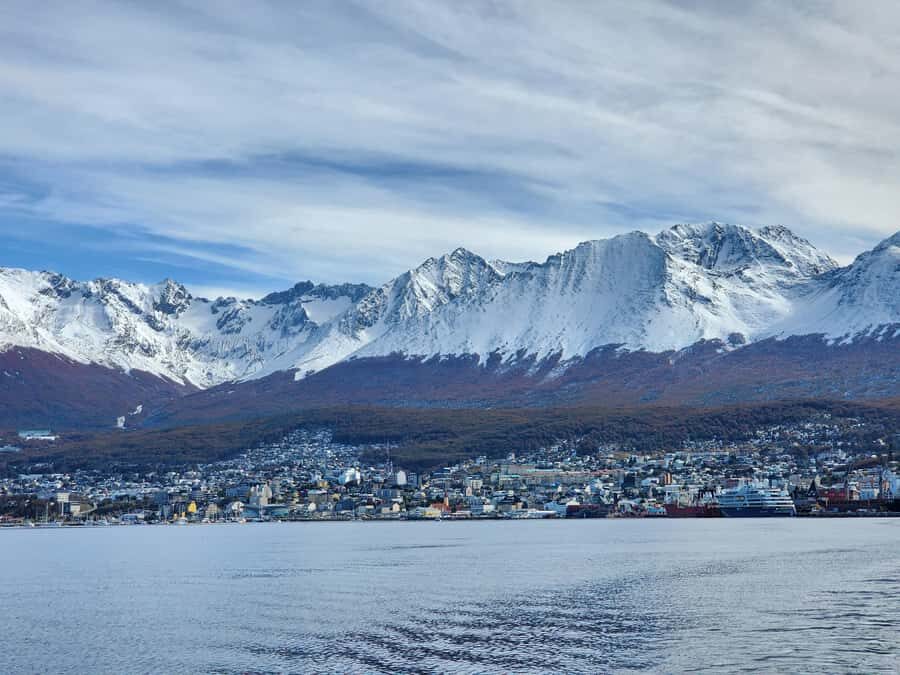
Day 10–12 in Ushuaia: Fuegian channels, Tierra del Fuego trekking, and the Beagle cruise
Day 10 moves you back into Argentina with a full-day bus trip toward Ushuaia via Tierra del Fuego Island, crossing the Strait of Magellan. You’ll spend time on the road, and that’s normal here—Patagonia is big, and bus days are part of the deal.
In Ushuaia, you check into your hotel and keep the evening free. Use it to do the boring stuff: warm layers, organizing daypacks, charging batteries, and getting ready for wind.
Day 11: Tierra del Fuego National Park excursion with Lapataia canoeing
This is your “get off the main path” day in Tierra del Fuego National Park. The excursion includes hiking along the Beagle Channel plus canoeing on the Lapataia River to Lapataia Bay. Lunch is included here.
Canoeing is noted as weather-dependent, and the difficulty is described as low. That matters if you’re not an athlete; it suggests the trip is designed so most people can participate without technical paddling demands.
Day 12: Beagle Channel cruise to islands and the Yamanas story
The next day is all about water views. You head to the pier on your own (transport to the pier is not included), then take a boat cruise on the Beagle Channel.
You’ll see:
- Ushuaia Bay panoramas
- Marine wildlife such as cormorants and fur seals
- De los Lobos and De los Pajaros islands
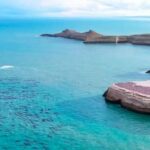
- Les Eclaireurs Lighthouse (a symbol of Ushuaia, built in 1919)
You’ll hop off on Bridges Isles for a walk and history about the native Yamanas. During the cruise, you get snacks and a glass of mate, which is a nice local touch that doesn’t require a restaurant stop.
There’s an optional upgrade to add a Magellanic penguin rookery visit on Martillo Island (available October to April and July to mid-September). If your dates match, it’s a strong add-on because it turns your cruise into a wildlife-focused day.
Day 13: departing Ushuaia
On departure day, you get a shared transfer to Ushuaia airport at the appropriate time. Then it’s home or on to your next stop. The main thing to remember is simple: Patagonia has weather and timing surprises, so don’t plan tight airport connections.
Getting around without losing your day: buses, pick-ups, and ticket surprises
Here’s the part that matters most for your trip quality: this program is partly organized, partly self-managed.
You’re using local buses between the big city pairs (Calafate–Puerto Natales, Puerto Natales–Punta Arenas, Punta Arenas–Ushuaia). What’s not included is transport from bus stations to hotels. Taxis exist, and the itinerary suggests they’re relatively short rides, but you still need to factor in time.
Also, multiple on-the-road comments point to the same theme: communication can be uneven when tickets and vouchers are involved. One person had a bus voucher that didn’t match the expected operator and time until they arrived early and figured it out on the ground. Another struggled with lack of clear instructions early on. You can’t control that fully, but you can control how prepared you are.
My practical checklist:
- Confirm the bus company, departure time, and meeting instructions a day before each bus leg.
- Keep all vouchers/tickets accessible on your phone and printed too.
- Arrive early at bus stations, even if it feels silly.
- Save your hotel address in case you need a quick taxi.
Hotels across Patagonia: good bases, variable comfort, watch the details
This trip includes 12 breakfasts and 12 nights of accommodation spread across El Calafate, El Chaltén, Puerto Natales, Punta Arenas, and Ushuaia.
The tricky part is that accommodation categories are based on service and comfort standards, not star ratings. In plain language: two rooms in the same “comfort” level can feel very different.
From real-world notes, some hotels were praised for staff and location convenience. Examples that came up include:
- Las Dunas in El Calafate (helpful staff)
- Posada El Barranco in El Chaltén (small, friendly staff)
- Lacolet in Punta Arenas (described as the nicest stay by one guest)
- Rosa de Los Vientos in Ushuaia (one comment said the room had cleanliness and maintenance issues)
So I’d treat lodging as “solid bases,” not as the highlight. Your highlight is the parks and the time outside. Still, if you’re sensitive to small rooms, stairs, or breakfast variety, be aware that this route can mix hotel types, including hostels for some room categories.
Who this tour fits best (and who should look elsewhere)
This is a great fit if:
- You want iconic Patagonia (Perito Moreno, Torres del Paine, Tierra del Fuego, Beagle Channel)
- You like a mix of guided days and free time
- You’re comfortable with public buses and managing some logistics yourself
- You value having breakfast included and hotels handled for you
It may not be ideal if:
- You need a fully guided group experience every day with everyone together
- You get stressed by station-to-hotel transfers and timetable changes
- You’re expecting all meals and park costs to be included in the package price
If you’re solo, the free-time structure can be good for independence, but you should also know the trip structure may not create a built-in social group.
Should you book? My straight answer
Book it if your goal is to hit the biggest Patagonia hits with less planning fatigue, and you’re okay handling bus legs on your own. The itinerary gives you the right shape: glacier spectacle, hiking town freedom, a Chilean panoramic day, then Fuegian channels with canoeing and a Beagle cruise.
Pass or customize if you want more sustained hiking in Torres del Paine, or if you want every movement handled by the same team end-to-end. In that case, you’d likely do better with a version that’s more consistently guided—or you’d add more hiking-focused upgrades where available.
If you do book, do yourself a favor: read the pickup and bus instructions carefully, confirm schedules early, and give yourself extra buffer time at stations. That’s how you keep the trip feeling like an adventure, not a moving checklist.
FAQ
What’s included in the tour price?
You’ll get 12 nights of accommodation across El Calafate, El Chaltén, Puerto Natales, Punta Arenas, and Ushuaia, plus daily breakfasts (12). Guided tours are included for the park days named in the itinerary, along with transfers and international bus segments. The itinerary also includes lunch and snacks/mate on the cruise day.
Are Los Glaciares, Torres del Paine, and Tierra del Fuego entrance fees included?
No. Entrance fees are listed as not included: Los Glaciares (ARS45,000.00 per person), Torres del Paine (CLP5,200.00 per person), and Tierra del Fuego (ARS30,000.00 per person).
Do I need a passport and travel documents?
Yes. A valid passport is required to cross into Chile, and you’ll be asked for passport details at booking. The tour data also states you must have medical insurance with comprehensive coverage for the entire stay, plus proof of return/onward travel and accommodation booking/address to enter Argentina.
Will I have free time in the towns?
Yes. You’ll have a free day in El Calafate and a free day in El Chaltén. Even on guided days, evenings are typically free for meals and relaxing.
What months does this tour operate?
This seasonal tour operates from October to April.
How do you travel between cities like Calafate and Puerto Natales?
The itinerary uses public/local buses for the intercity legs (Calafate–Puerto Natales, Puerto Natales–Punta Arenas, Punta Arenas–Ushuaia). The tour also notes that transport between bus stations and hotels is not included, and taxis are suggested as the short solution.