REVIEW · SALTA PROVINCE
From Salta: Cafayate and Hornocal 2-Day Tour with Transfer
Book on GetYourGuide →Operated by TIAMAR TRAVEL EVT · Bookable on GetYourGuide
Color waits on this two-day ride. You’ll hit the Cafayate wine country with stops like Quebrada de las Conchas, then swap to Jujuy for the dramatic Hornocal (Hill of Fourteen Colors) views. The mix of geology and wine is a smart way to spend limited time in northwest Argentina.
I especially like the Cafayate day flow: the tour takes you through viewpoints such as the Amphitheater and the Devil’s Throat, then ends with a winery visit focused on the local industry and torrontés. In real terms, that pairing helps you connect what you see outside (the region) with what you taste inside (the grapes).
One thing to weigh: the Hornocal day is long and starts early, and the itinerary can feel a bit logistical, including a requirement that passengers meet at the agency office and plan for Spanish-language availability for that portion.
In This Review
- Key things to know before you go
- A well-designed 2-day loop: Salta, Cafayate, and Hornocal
- Cafayate day: Quebrada de las Conchas viewpoints and a winery tasting
- Quebrada de las Conchas: Devil’s Throat and the Amphitheater
- Winery visit: learning the local wine story, then tasting
- Hornocal day: Route 9, UNESCO Quebrada de Humahuaca, and the Hill of Fourteen Colors
- First the route: Route 9 and Quebrada de Humahuaca
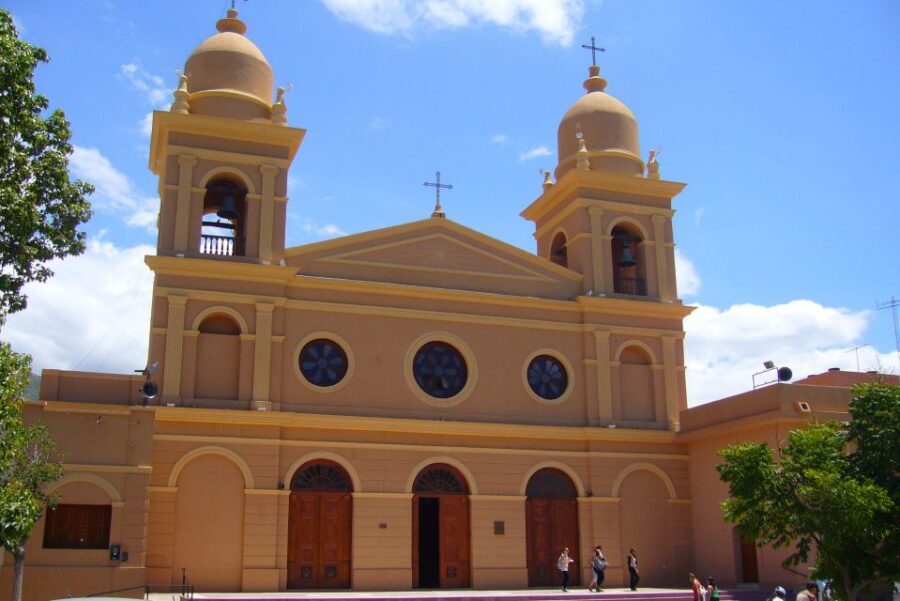
- Humahuaca town stops: Church of La Candelaria and Independence Monument
- Hornocal itself: 45 minutes at the Hill of Fourteen Colors
- Price and logistics: what $88 really covers
- The value angle
- A real-world comfort check
- Timing and group energy: early mornings, free time, and stress points
- Early start for Hornocal
- Free time is limited on purpose
- Group flow can feel complicated
- Guides can make or break the day
- Who this tour is best for (and who should pass)
- Should you book? My practical take
- FAQ
- What does the tour include?
- Is food included?
- Are entrance fees included?
- Do I need accommodation for the tour?
- What is the meeting point and time for Hornocal?
- Is the Hornocal tour available in English?
- Is hotel pickup guaranteed everywhere in Salta?
- Is this tour suitable if I have back problems?
Key things to know before you go
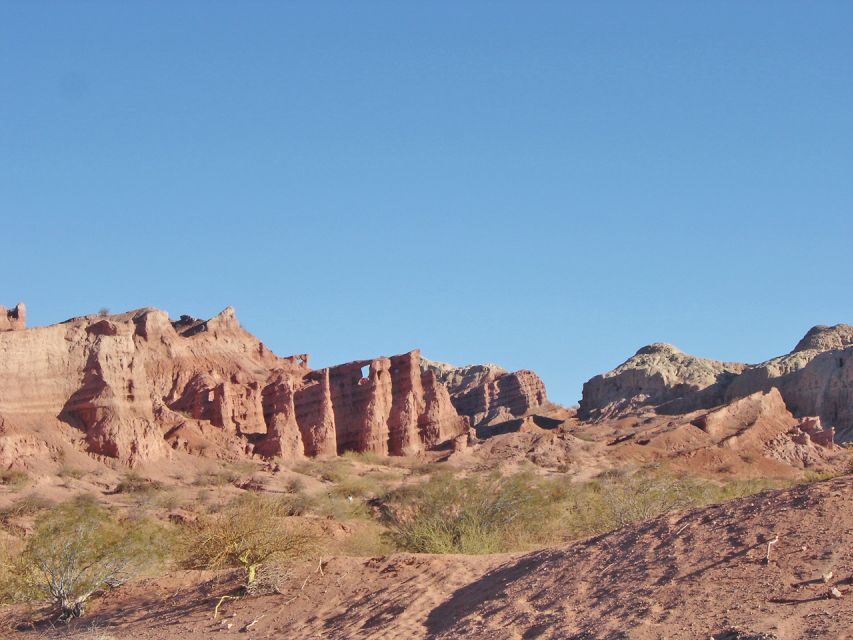
- Cafayate + Quebrada de las Conchas: Amphitheater and Devil’s Throat viewpoints make the day feel like a best-of nature album.
- Winery visit and tasting: You’ll learn about the local wine scene and get free wine tasting tied to the region’s famous style.
- UNESCO Quebrada de Humahuaca on Route 9: It’s not just scenery—there’s built-in context as you travel through the valley.
- Purmamarca and the Hill of Seven Colors: A classic stop for red-and-orange tones, plus time around the main square.
- Hornocal time is short: You get about 45 minutes to explore on-site, so comfortable shoes really matter.
- Logistics are real: Plan for an early meet time for Hornocal and expect long travel legs.
A well-designed 2-day loop: Salta, Cafayate, and Hornocal
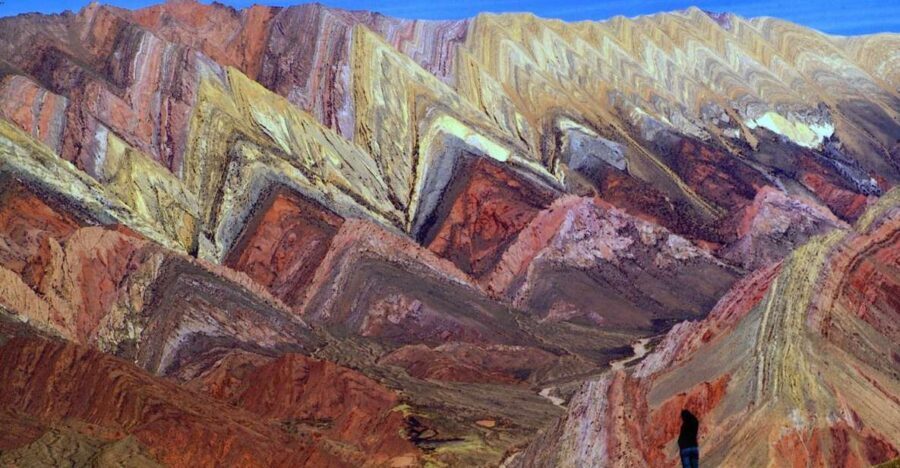
This tour is built for people who want a lot of northwest Argentina in two days—without the stress of renting a car and figuring out roads. The biggest win is pacing: Cafayate gives you time in a calmer rhythm (views, viewpoints, then a winery), while Hornocal day leans into a faster sightseeing circuit along Route 9 and through Jujuy.
It also makes sense geographically. Cafayate sits in Salta Province, tied closely to the Lerma Valley’s agriculture. Then you pivot north into Jujuy, where the same Route 9 corridor keeps showing you new layers of color and altitude. If you like seeing how quickly the region changes as you travel, this route does it efficiently.
The tour’s vehicle setup helps too. You travel in an air-conditioned Mercedes-Benz minivan. That matters because you’ll spend real time on the road, including both dirt-road stretches and highway return.
A few more Salta Province tours and experiences worth a look
Cafayate day: Quebrada de las Conchas viewpoints and a winery tasting
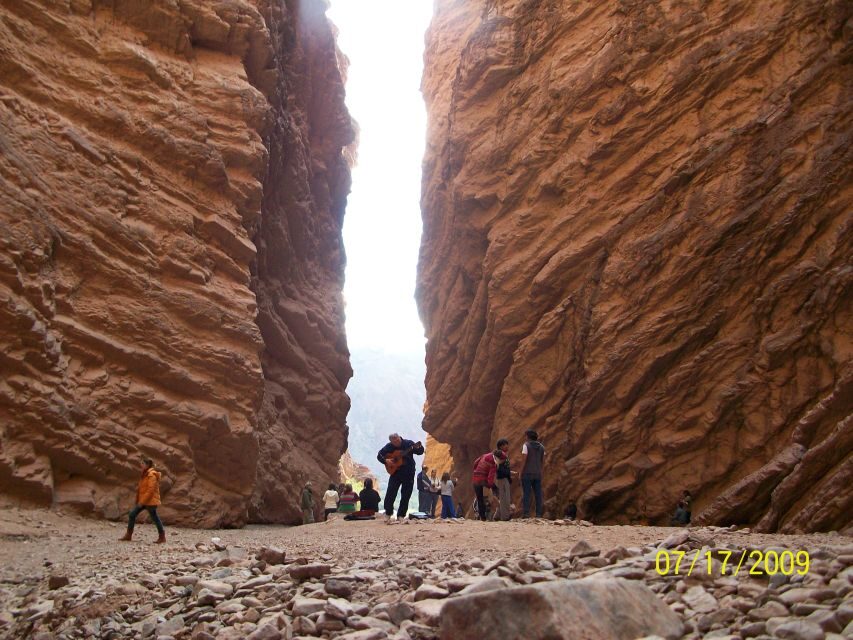
Day 1 is your full day in Cafayate, and it has two halves: geology first, wine second.
Quebrada de las Conchas: Devil’s Throat and the Amphitheater
You depart Salta south along Provincial Route 68. Right away, the drive itself becomes part of the story, with panoramic views over Lerma Valley farms and tobacco plantations. You’ll also pass tobacco areas where leaves dry in the sun, plus adobe and clay chimneys—details that give the region a working, lived-in feel.
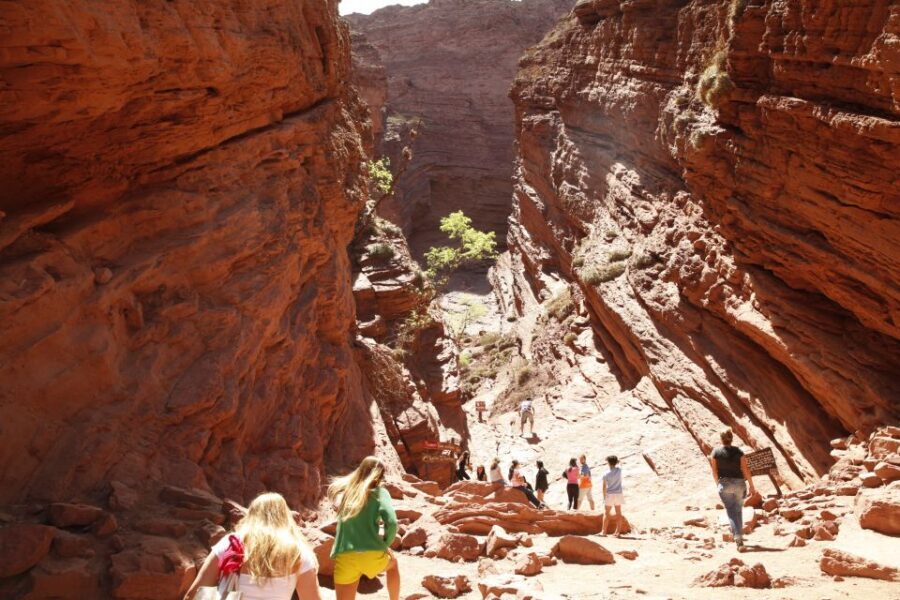
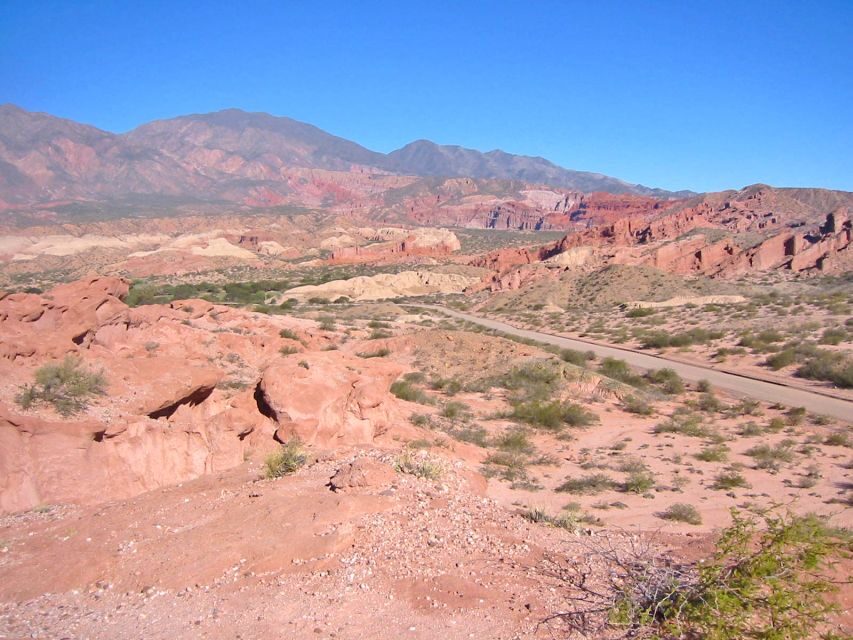
Then comes the showstopper area: Quebrada de las Conchas. The tour focuses on specific photo-and-walk-worthy spots like the Amphitheater and the Devil’s Throat. These names aren’t just dramatic. They point you toward the way the rock formations funnel light and shadow, so your pictures change minute to minute. If you go expecting a quick stop, you’ll be pleasantly surprised by how much mileage you get out of the viewpoints.
You may also see other named formations along the way, including House of the Parrots and attractions tied to the Devil’s Throat area. Even if you don’t memorize every local name, the practical value is this: the tour is aiming for the most memorable lookouts rather than leaving you to hunt for them.
Winery visit: learning the local wine story, then tasting
After lunch, you head back toward Salta via a different route to get a different set of views—so you’re not repeating the same scenery twice in a row.
The winery stop is where the day becomes more than sightseeing. You visit one traditional winery, learn about the local wine industry, and enjoy free wine tasting. The emphasis is on the style for which the area is known—torrontés. The payoff here is simple: once you’ve been out in the valley and seen what makes the region, tasting helps you understand why people are proud of these grapes.
One more practical note: entrance fees aren’t listed as included, and food/drinks aren’t included either. If you’re a wine person, you’ll likely want to have a bit of cash/card ready for anything extra at the winery beyond the free tasting.
Hornocal day: Route 9, UNESCO Quebrada de Humahuaca, and the Hill of Fourteen Colors
Hornocal day is your big visual wow, but it’s also the longer, tighter-schedule day.
First the route: Route 9 and Quebrada de Humahuaca
You travel along National Route 9 into Jujuy Province, and you’ll visit Quebrada de Humahuaca, a narrow mountain valley that’s recognized as UNESCO World Heritage (since 2003). This UNESCO label matters because it’s not just about being high and scenic—it signals that the valley has cultural and historical importance tied to how people have lived there.
Along the way, you stop in Purmamarca to see the Hill of Seven Colors—a stunning burst of red and orange tones. There’s also time to explore the main square and local craft stands, which is a good moment to slow down, stretch your legs, and get small souvenirs that don’t feel like tourist junk.
Humahuaca town stops: Church of La Candelaria and Independence Monument
After Purmamarca, you continue to Humahuaca at about 2,939 meters above sea level. Then you get a walk-and-look sequence around Church of La Candelaria and the Independence Monument.
This is the kind of pause that makes a tour like this feel grounded. Without it, Hornocal could become only a driving-and-photo day. With it, you also get a sense of the towns and national stories that sit alongside the geology.
The tour includes free time for lunch in Humahuaca. Exact lunch options aren’t provided, so plan to find something convenient on your own once you’re there.
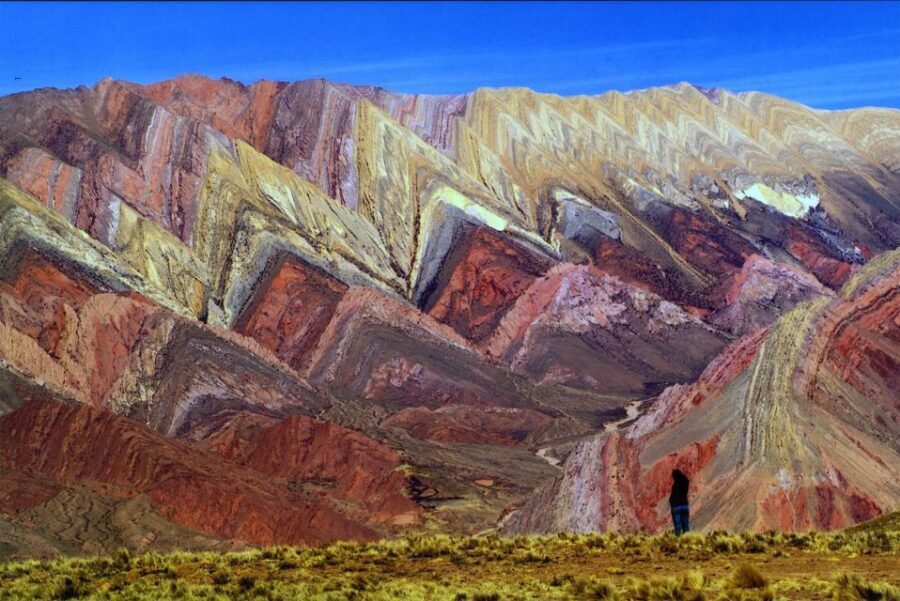
Hornocal itself: 45 minutes at the Hill of Fourteen Colors
After lunch, you get about 45 minutes of free time to explore Hornocal (Hill of Fourteen Colors). That timing is short, and that’s the tradeoff.
You’ll want to arrive ready: comfortable shoes, water if you usually drink on hikes, and a game plan for how fast you want to walk. Hornocal views reward quick movement—because the color tones shift with sun angle and cloud cover—so you don’t want to waste time figuring out your route on arrival.
One more logistics flag: this Hornocal portion is only available in Spanish, and you must be at the meeting point at Caseros 420 at 6:30 am at the Tiamar Travel Agency. The reason is simple: it’s the longest excursion, and the operator doesn’t want to lose time searching for hotel pickups.
Price and logistics: what $88 really covers
At $88 per person for two days, you’re paying for guided driving, transfers, and structured stops—not for hotel, meals, or entrance fees.
Here’s what you get:
- Driver/guide and pickup/drop-off at downtown hotels on applicable days
- Air-conditioned Mercedes-Benz minivan
- A certified bilingual guide (Spanish and English) (but note the Spanish-only availability requirement for the Hornocal portion)
- Transport between major sights in Salta Province and Jujuy Province
And here’s what you’ll need to cover yourself:
- Entrance fees (not included)
- Food and drinks (not included)
- Personal expenses
- Accommodation (not included)
The value angle
The value here comes from pairing. You don’t just see one highlight. You see:
- Quebrada de las Conchas viewpoints
- A winery with free tastings
- Quebrada de Humahuaca (UNESCO)
- Purmamarca crafts + the Hill of Seven Colors
- Humahuaca town sights
- Hornocal at the Hill of Fourteen Colors
If you tried to DIY all of that, you’d likely spend more than $88 once you factor in transport costs, time spent coordinating, and the hassle of finding reliable day-trip routes.
A real-world comfort check
This tour includes about 2 hours on low-quality dirt roads and about 2 hours on highway on the way back. Even in a good minivan, that’s bumpy enough that the operator says it’s not suitable for people with back problems.
Also, hotel pickup/drop-off works only for hotels within 15 blocks of Plaza 9 Julio. If you’re staying farther out, you may need to coordinate another way to start the day.
Timing and group energy: early mornings, free time, and stress points
I like tours that tell you exactly what kind of day you’re buying. This one is pretty clear, and it helps you prepare.
Early start for Hornocal
The 6:30 am agency meeting isn’t optional for Hornocal. Since it’s the longest excursion, you’ll be moving early and staying on a schedule. If you’re the type who needs a slow start, plan accordingly the night before.
Free time is limited on purpose
Hornocal includes only about 45 minutes of free time. Purmamarca also offers main-square time and craft stands, plus Humahuaca has free time for lunch. That’s a good mix because it gives you short breathing windows, but it also means you shouldn’t assume you’ll have hours at any one place.
Group flow can feel complicated
One detail worth knowing: the Hornocal day can feel more stressful because the group may split into two different excursions in the same group. That doesn’t mean you’ll lose access to the big sights, but it can add waiting time or extra handoffs. If you hate uncertainty, mentally brace for that.
Guides can make or break the day
The guide quality matters a lot on a route like this. In at least one instance, a guide named Monica delivered with passion and spoke English and Spanish. That kind of explanation changes how you experience the stops. Instead of only taking photos, you’ll have something to listen for—why the valley looks like this, why the wine region developed, and what you’re actually seeing when you look at the hills.
Who this tour is best for (and who should pass)
This fits best if you want:
- A two-day structure that mixes nature and wine
- Big-name sights without driving
- A guide to handle navigation and context
- Comfortable logistics in a minivan (air-conditioned, Mercedes-Benz)
You should think twice if:
- You have back problems due to dirt-road time
- You don’t want early mornings or strict meeting points
- You need an English-only experience for the Hornocal portion, since the Hornocal tour is described as only available in Spanish
It also suits people who are traveling in pairs or small groups and want an organized route through Salta Province and Jujuy Province without juggling taxis, bus schedules, or renting a car.
Should you book? My practical take
Book it if you want maximum highlights with a guide, especially if Cafayate + Quebrada de las Conchas + Hornocal is on your must-see list. For the price, you’re getting a lot of guided ground cover: viewpoint stops, a winery tasting, and UNESCO-area travel.
Skip it if you’re sensitive to long days, early starts, or bumpy roads. Hornocal day is the demanding one, and the schedule is built tight—plus the Hornocal portion has Spanish-only availability and a strict 6:30 am meet at Caseros 420.
If you’re comfortable with that tradeoff, this is a strong way to see two of northwest Argentina’s headline regions in just 48 hours.
FAQ
What does the tour include?
It includes a driver/guide, transportation in an air-conditioned Mercedes-Benz minivan, and pickup/drop-off at downtown hotels on the days where it applies. It also includes a certified bilingual guide (Spanish and English), plus the transportation for Hornocal.
Is food included?
No. Food and drinks aren’t included, and you’ll have lunch time while you’re on the route.
Are entrance fees included?
No. Entrance fees aren’t included.
Do I need accommodation for the tour?
Yes, accommodation is not included. This is a 2-day guided excursion, not a package with lodging.
What is the meeting point and time for Hornocal?
For the Hornocal portion, you must be at the Tiamar Travel Agency office at Caseros 420 at 6:30 am.
Is the Hornocal tour available in English?
The Hornocal tour is only available in Spanish, even though the guide is described as bilingual for Spanish and English.
Is hotel pickup guaranteed everywhere in Salta?
Pickup/drop-off is only available for hotels located within 15 blocks of Plaza 9 Julio.
Is this tour suitable if I have back problems?
No. It’s listed as not suitable for people with back problems.
—
If you tell me your travel dates and whether you’re staying near Plaza 9 Julio, I can help you decide if the early Hornocal start will fit your schedule.